
Your Move, Our Mission
Flat-rate pricing. Licensed & insured crew. Serving all of Washington State.
Comprehensive Solutions
For Every Move
From local transitions to cross-country relocations, our white-glove service ensures your belongings arrive safely, on time, every time.
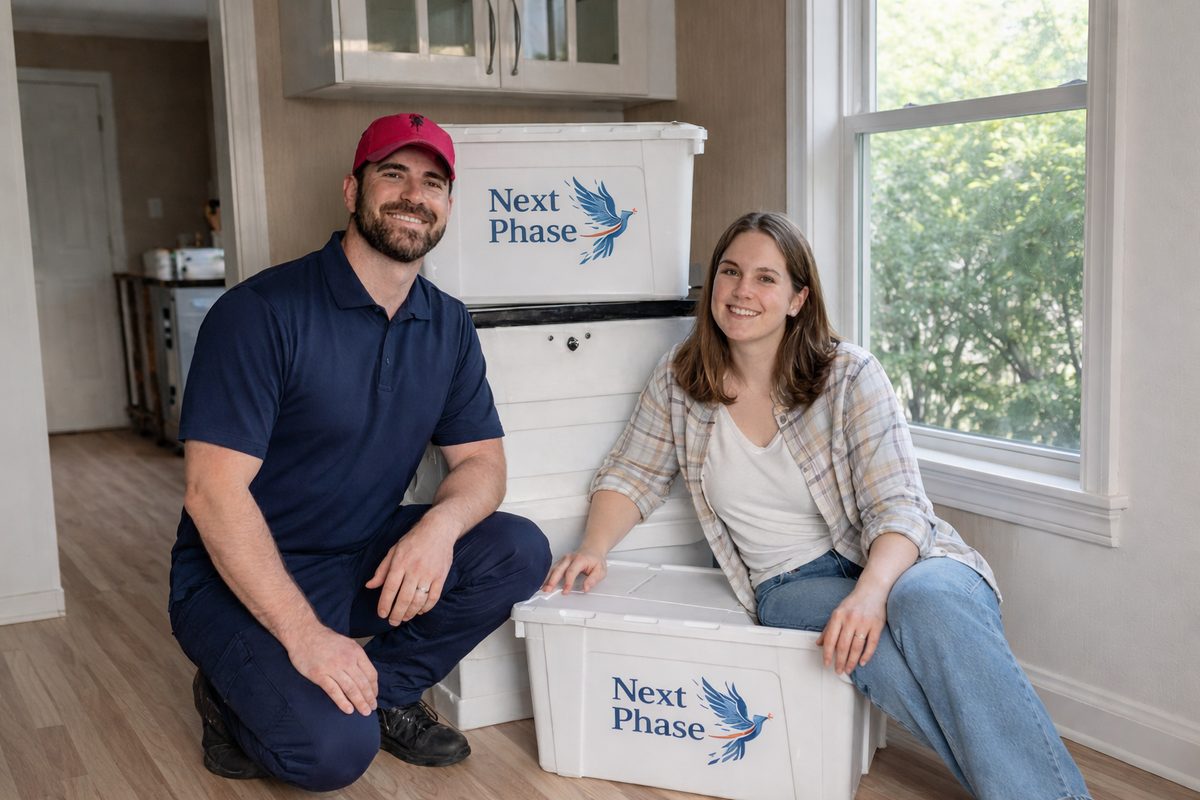
Residential Moving
Whether you're moving from a home in King County, an apartment in Seattle, or a property in Eastern Washington, we handle your cherished belongings with the utmost care.
Learn More
Long Distance & Interstate
Crossing state lines? Our logistical expertise ensures your possessions arrive safely from Washington to anywhere in the US. We're your partners in the journey ahead.
Explore Cross-Country Moves
Packing & Specialty Services
From full-service packing to transporting delicate items like pianos and fine art, our specialists use the best materials and techniques to ensure everything is secure for the journey.
View Packing Options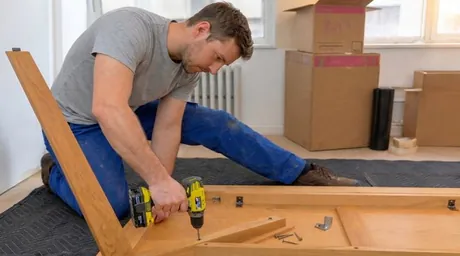
Assembly & Mounting Services
The same careful crews also assemble and mount what we move — IKEA and flat-pack furniture, TV wall mounting, exercise equipment, backyard playsets, office buildouts, and take-apart service for tight doorways.
Explore Assembly & MountingWhy Washington Trusts Next Phase Moving
Moving is more than just boxes and a truck. It's about trust, care, and starting a new chapter.

Complete Peace of Mind
We're a fully licensed and insured professional team. This means your move is protected from start to finish.

Guaranteed Flat-Rate Pricing
No hidden fees, no surprise charges. The price we quote is the price you pay — guaranteed. Know your total cost before we lift a single box.

A Crew That Cares
Our team is respectful professionals who treat your home and belongings like their own.
0
Moves Completed
0
Satisfaction Rate
0
Years Experience
0
5-Star Reviews
Our Team of Friendly Professionals
Meet some of our dedicated professionals. While the exact crew may vary, our commitment to professional, friendly service never does.

Leo G.
Sales Manager
Leo is the mastermind behind the scenes, ensuring every move is perfectly planned for maximum efficiency and safety.

Marco P.
Lead Mover
A seasoned industry veteran, Marco works with a commitment to integrity, strength, and warm customer service.

Sam K.
Packing Specialist
Known for his meticulous attention to detail, Sam treats every item like a priceless artifact, ensuring it arrives in perfect condition.
David R.
Heavy Lifting Pro
David combines strength with strategy, safely navigating even the bulkiest and most awkward furniture through tight spaces.
What Our Customers Say
Real stories from real families we've helped move across Washington State.
"Next Phase Moving made our cross-state move absolutely seamless. The crew was professional, careful with our belongings, and finished ahead of schedule. Highly recommend!"
Sarah M.
Seattle to Spokane
"I was nervous about moving my grandmother's antique furniture. The team treated every piece like a treasure. Not a single scratch! Their attention to detail is unmatched."
James T.
Bellevue, WA
"Best moving experience ever! The quote was accurate, the team arrived on time, and they even helped us rearrange furniture in the new place. Will definitely use again!"
Lisa R.
Tacoma to Kent
Your Local Moving Experts
We're not a national franchise — we're your neighbors. Based in Covington, we serve every community in Washington State with the care and knowledge only a local company can provide.
Serving All of Washington State
Headquartered in Covington, we have deep roots in King County and serve 215+ communities across Washington — from Bellingham to Vancouver, from the coast to Spokane.
Ready for a Smooth Move Anywhere in Washington?
Let our professional team handle the details. Get your free, no-obligation quote today and take the first step towards an easy relocation.
No spam. Your information is secure.