
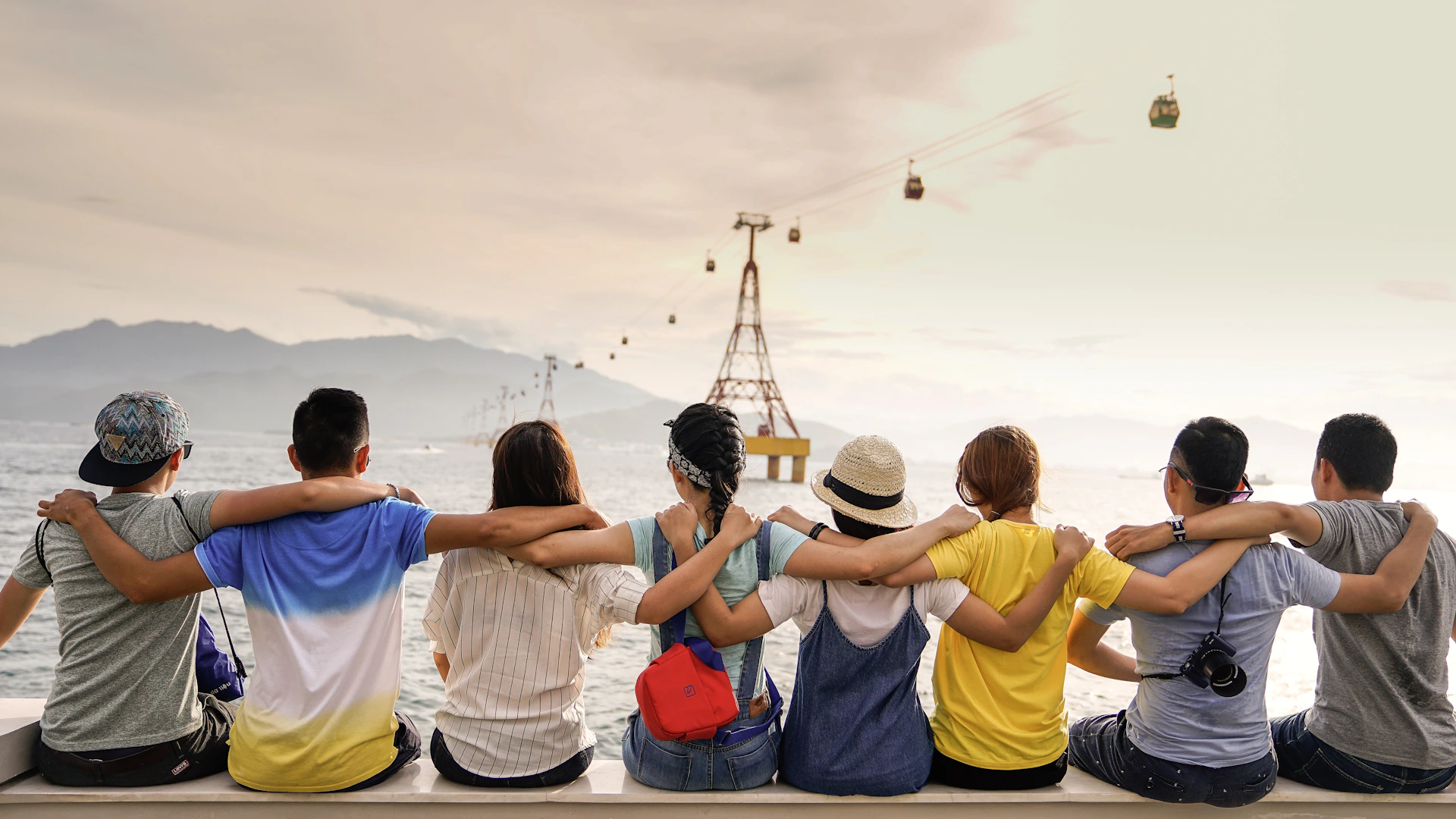
What Exactly is the Seattle Freeze?
The Seattle Freeze is a colloquial term describing the perceived difficulty of forming new friendships and social connections in Seattle. Coined in the late 1990s, it refers to a cultural phenomenon where residents are outwardly polite and friendly but rarely extend that warmth into genuine personal relationships.
Newcomers often describe Seattleites as surface-level friendly - they'll smile, make small talk, and even suggest "we should hang out sometime" - but following through on those suggestions rarely happens. Invitations to social gatherings feel hard to come by, and breaking into established friend groups can seem nearly impossible.
The term gained national attention after multiple surveys and media reports documented transplants' struggles to build social networks in the city, despite Seattle being full of educated, progressive, and seemingly welcoming people.
"People are nice, but it's a distant nice. They'll chat with you at a coffee shop but won't invite you to their birthday party."
- Seattle transplant from Texas, 2 years in
Why Does the Seattle Freeze Happen?
Several cultural, historical, and demographic factors contribute to Seattle's unique social dynamic.
Is the Seattle Freeze Real or Myth?
The truth lies somewhere in between. Here's what research and real experiences tell us.
"Seattle people are cold and unfriendly"
Many newcomers believe Seattleites are rude or actively hostile to outsiders.
Seattleites are polite but reserved
People here are genuinely kind and helpful. They just prefer deeper, more meaningful connections over a large quantity of superficial friendships. Quality over quantity is the ethos.
"It's impossible to make friends here"
The freeze makes forming any friendships impossible.
It takes more effort and initiative
Thousands of transplants successfully build rich social lives in Seattle. The key is being proactive, consistent, and patient. Join activity-based groups and show up regularly.
"'Let's hang out' actually means let's hang out"
When a Seattleite says they want to get together, they mean it.
This is often social pleasantry
In Seattle culture, "we should hang out" is often conversational politeness rather than an actual invitation. If you want to see someone, you need to make specific plans with dates and times.
Proven Tips for Making Friends in Seattle
These strategies have helped countless transplants thaw the freeze and build meaningful connections.
Be the Initiator, Always
Don't wait for invitations - they may never come. Take the lead by suggesting specific activities with specific times. Instead of "we should get coffee sometime," try "Want to grab coffee at Victrola this Saturday at 10am?"
Seattleites often appreciate when others take social initiative because it removes the ambiguity they tend to default to.
Join Activity-Based Groups
Seattle friendships form around shared activities rather than random encounters. Join at least 2-3 regular groups in your first month:
- The Mountaineers (hiking, climbing)
- Underdog Sports League (rec sports)
- Seattle Running Club
- Board game meetups at Mox Boarding House
- Volunteering with FareStart or local food banks
Become a Regular Somewhere
Pick a coffee shop, bar, gym, or yoga studio and go there consistently at the same times. Familiarity breeds connection. After seeing the same faces repeatedly, conversations naturally develop.
Bartenders and baristas in Seattle are often well-connected and can introduce you to other regulars once you've established yourself.
Connect with Fellow Transplants
Other newcomers are eager to make friends too. Look for "New to Seattle" meetup groups, transplant happy hours, or neighborhood Facebook groups for newcomers.
Bumble BFF and similar apps have large, active user bases in Seattle specifically because many people are looking to expand their social circles.
Be Patient and Persistent
Building real friendships in Seattle often takes 1-2 years of consistent effort. Don't get discouraged if early attempts don't stick. Research shows it takes about 50 hours of time together to go from acquaintance to casual friend, and 200+ hours for close friendship.
Keep showing up, keep initiating, and eventually the connections will form.
Best Social Activities in Seattle
Friendliest Seattle Neighborhoods
Some neighborhoods have stronger community vibes and more opportunities for organic connection.
Capitol Hill
Best for NightlifeThe heart of Seattle's LGBTQ+ community with a vibrant bar scene, live music venues, and walkable streets perfect for spontaneous encounters.
Fremont
Quirky & Welcoming"Center of the Universe" with a playful spirit, Sunday market, and tight-knit community that celebrates weirdness and warmth.
Ballard
Great for Young ProsBreweries, outdoor scene, and a mix of old Seattle charm with new transplant energy. The Sunday Farmers Market is a weekly social hub.
Columbia City
Most DiverseOne of Seattle's most diverse neighborhoods with strong community identity, local festivals, and neighbors who actually know each other.
West Seattle
Family FriendlyIsland-like feel with strong neighborhood identity. Alki Beach creates a casual, approachable vibe. Great for families making connections.
South Lake Union
Tech HubAmazon HQ area filled with fellow transplants. Everyone is new, making it easier to connect. Lots of happy hours and tech meetups.
How Transplants Can Successfully Adjust
A timeline and mindset guide for your social transition to Seattle.
Months 0-3: Explore
Try everything. Join 5+ groups or activities. Say yes to every invitation. This is your "casting a wide net" phase. Don't expect deep friendships yet - focus on volume.
Months 3-12: Invest
Narrow down to 2-3 activities you genuinely enjoy. Show up consistently. Start initiating one-on-one hangouts with people you click with. This is where acquaintances become friends.
Year 1+: Deepen
Your core friend group forms. You become someone's "regular" friend. You get invited to things without asking. The freeze has thawed, and you're part of Seattle's social fabric.
Mindset Shifts for Success
From: "People should invite me"
To: "I create my own social life"
From: "This should happen naturally"
To: "Friendship takes intentional effort"
From: "People are unfriendly"
To: "People show friendship differently here"
From: "I need lots of friends"
To: "I need a few deep connections"
The Silver Lining of the Seattle Freeze
Quality Over Quantity
When friendships do form in Seattle, they tend to be deep, meaningful, and lasting. Seattleites invest in their friendships and maintain them for decades.
Personal Space Respected
Introverts thrive here. Your boundaries are respected. People won't push you to socialize more than you want. Recharging time is understood and valued.
Authentic Connections
Less superficial small talk, more genuine conversations when they happen. Seattle friendships often feel more authentic because they weren't formed out of social obligation.
"The Seattle Freeze isn't a bug, it's a feature. Once you understand it, you realize it just means people here are intentional about their relationships. And honestly? That's refreshing." - 10-year Seattle resident, originally from Chicago
Frequently Asked Questions
What is the Seattle Freeze?
The Seattle Freeze is a cultural phenomenon where newcomers find it difficult to make genuine friendships with Seattle natives. While locals are polite and friendly on the surface, they often maintain existing social circles and don't readily invite newcomers into their inner friend groups. The term has been used since the late 1990s to describe this unique social dynamic.
Is the Seattle Freeze real or a myth?
Studies and surveys confirm the Seattle Freeze is real for many transplants. A 2017 Seattle Times poll found that most newcomers found it harder to make friends in Seattle compared to other cities. However, many people successfully build friendships through intentional effort, joining activity-based groups, and understanding that Seattle socializing often revolves around shared interests rather than spontaneous connections.
Why does the Seattle Freeze happen?
Several factors contribute to the Seattle Freeze: Scandinavian heritage emphasizing reserve and personal space, tech industry culture with long work hours, a population of introverts attracted by the climate and activities, weather that keeps people indoors, and established social circles that residents are content with. The constant influx of transplants also creates "friendship fatigue" among long-term residents.
How long does it take to make friends in Seattle?
Most transplants report it takes 1-2 years to build meaningful friendships in Seattle. The key is consistent, repeated contact through activities and groups. While surface-level friendliness comes quickly, deeper connections require patience and persistence. Many successful transplants recommend joining 2-3 regular activities or groups within your first month.
What are the best ways to make friends in Seattle?
The most effective strategies include: joining hiking groups (Mountaineers, Washington Trails Association), participating in rec sports leagues (Underdog Sports League), attending Meetup.com groups for your interests, frequenting the same coffee shops and bars regularly, volunteering with local organizations, taking classes at community centers, and being the one who initiates plans rather than waiting for invitations.
Which Seattle neighborhoods are friendliest for newcomers?
Capitol Hill, Fremont, and Ballard are often cited as the friendliest neighborhoods for making connections due to their walkable streets, active bar and restaurant scenes, and community events. South Lake Union and University District have many fellow transplants. West Seattle and Columbia City have strong neighborhood identities with engaged communities that welcome newcomers who participate in local life.
Related Seattle Guides
Should I Move to Seattle?
Interactive decision helper with pros, cons, and personalized checklist.
Cost AnalysisCost of Living in Seattle
Detailed breakdown of what you'll need to live comfortably in the Emerald City.
Safety GuideIs Seattle Safe?
Honest assessment of Seattle's safety with neighborhood breakdowns.