
Does It Really Rain
That Much in Seattle?
Spoiler: It rains less than New York, Miami, and Houston. But there's more to the story than inches. Let's explore the data.
The Short Answer
No, Seattle actually receives less annual rainfall than most major U.S. cities. At 37.5 inches per year, Seattle gets less rain than New York (46.2"), Miami (61.9"), Houston (49.8"), and even Atlanta (50.2"). The perception of constant rain comes from Seattle's 152 rainy days featuring light drizzle rather than heavy downpours, plus 226 cloudy days that create the famous gray atmosphere.
Drizzle vs. Downpour: Understanding Seattle's Rain
The key to understanding Seattle's weather isn't total rainfall - it's how and when that rain falls.
Here's what surprises most newcomers: Seattle's rain is fundamentally different from what you've experienced elsewhere. If you're from the East Coast, South, or Midwest, you're used to dramatic thunderstorms - those 20-minute deluges that dump inches of water and then clear up to blue skies.
Seattle doesn't do that. Instead, the city experiences what locals affectionately call "liquid sunshine" - a fine, misty drizzle that can persist for hours or even days. It's rarely heavy enough to soak you through immediately, but it's persistent enough to create that famous Seattle atmosphere.
This is why true Seattleites rarely carry umbrellas. The drizzle is so light that a decent rain jacket or water-resistant layer is usually sufficient. In fact, carrying an umbrella is often seen as a sign of being new to the city.
Seattle vs. Other Cities: The Numbers
See how Seattle's rainfall compares to other major U.S. cities using NOAA climate data.
Seattle Monthly Rainfall (inches)
Annual Rainfall: City Comparison
Rainy Days vs. Total Rainfall
Seattle has more rainy days but less total precipitation - the key insight to understanding the weather.

Why Seattle Feels So Gray
It's not just about rain - it's about the persistent cloud cover that defines Pacific Northwest winters.
October - May cloud cover
Measurable precipitation
June - September glory
The real culprit behind Seattle's gray reputation isn't the rain itself - it's the marine layer that rolls in from the Pacific Ocean. This persistent cloud cover can linger for days or even weeks, creating overcast skies even when it's not actively raining.
From October through May, Seattle residents become intimately familiar with various shades of gray. The clouds often hang low, sometimes obscuring the tops of downtown buildings and creating an atmospheric, moody cityscape.
This is why many newcomers find the weather more challenging than expected. It's not necessarily the rain that gets to people - it's the day after day of gray skies without seeing the sun. But for those who adapt, there's a certain cozy charm to Seattle's winter atmosphere.
Best and Worst Months in Seattle
Plan your move and activities around Seattle's weather patterns.
January
5.1" rain
18 rainy days
February
3.9" rain
15 rainy days
March
3.7" rain
15 rainy days
April
2.7" rain
13 rainy days
May
2.1" rain
11 rainy days
June
1.6" rain
9 rainy days
July
0.8" rain
Best month!
August
1.0" rain
Gorgeous!
September
1.6" rain
8 rainy days
October
3.2" rain
13 rainy days
November
6.6" rain
Rainiest!
December
5.5" rain
18 rainy days
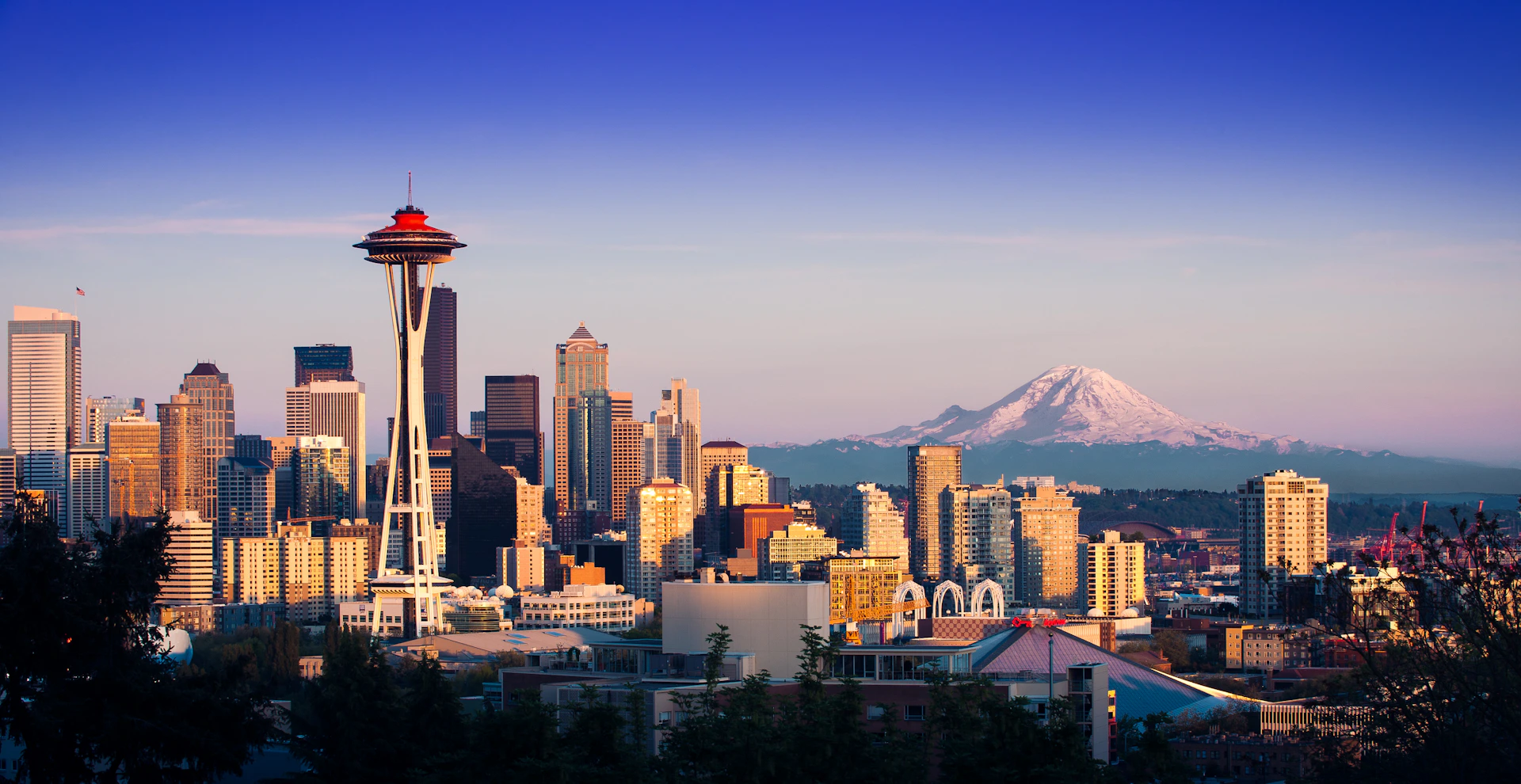
Seattle's Best Kept Secret: The Summers
Ask any Seattle local and they'll tell you - the summers make it all worthwhile.
Why Seattleites Love Summer
- Average highs of 75-77F with low humidity
- 16+ hours of daylight in June (sunset after 9pm!)
- Clear views of Mount Rainier, the Cascades, and Olympics
- Outdoor dining, festivals, hiking, and water activities
- No air conditioning needed in most homes
From June through September, Seattle transforms into one of the most beautiful cities in America. The gray skies give way to brilliant blue, temperatures hover in the perfect 65-77F range, and the humidity that plagues other parts of the country is blessedly absent.
These months feel like a reward for enduring the gray winters. With over 16 hours of daylight in June, you can hike after work, enjoy dinner on a waterfront patio at 8pm with the sun still blazing, and watch stunning sunsets well past 9pm.
This is when Seattle comes alive with outdoor concerts, farmers markets, sailing on Puget Sound, and some of the best hiking in the country. Mount Rainier stands as a majestic backdrop on clear days, and the combination of water, mountains, and city creates views that rival anywhere in the world.
How Locals Cope With Seattle Rain
Practical advice from long-time Seattle residents on thriving in the Pacific Northwest climate.
Layer Up, Skip the Umbrella
A quality waterproof shell and layered clothing is the Seattle uniform. The drizzle is light enough that umbrellas feel excessive - and mark you as a tourist.
Embrace Coffee Culture
There's a reason Seattle birthed Starbucks. Cozy coffee shops become second living rooms during the gray months. Find your favorite local roaster.
Get Outside Anyway
Seattleites don't let rain stop them. Hiking, biking, and running happen year-round. Invest in good rain gear and embrace the "there's no bad weather, only bad clothing" mindset.
Create Cozy Indoor Spaces
Seattleites perfect the art of "hygge" - making homes warm and inviting with good lighting, comfortable furniture, and indoor plants that thrive in Seattle's humidity.
Plan a Winter Escape
Many locals plan a sunny vacation in February or March to break up the gray. A week of sunshine can reset your mood for the rest of winter.
Build Your Community
Seattle's social scene revolves around indoor activities in winter - board game nights, book clubs, cooking classes, and pub trivia help combat isolation.
Seasonal Affective Disorder Tips
The lack of sunlight can affect your mood. Here's how Seattle residents stay mentally healthy through the gray months.
Light Therapy Lamps
Many Seattleites use 10,000 lux light therapy boxes for 20-30 minutes each morning. They simulate natural sunlight and can significantly improve mood and energy.
Vitamin D Supplements
With limited sun exposure in winter, most Pacific Northwesterners benefit from Vitamin D3 supplements. Consult your doctor for appropriate dosing.
Exercise Regularly
Physical activity releases endorphins that combat winter blues. Seattle has excellent gyms, yoga studios, and indoor climbing facilities for year-round activity.
Consider Therapy
Seattle has excellent mental health resources. If gray days significantly impact your mood, talking to a professional can provide coping strategies and support.
Maintain Sleep Schedule
The lack of natural light can disrupt sleep patterns. Stick to consistent sleep and wake times, and consider a sunrise alarm clock that gradually brightens.
Get Outside at Noon
Even on cloudy days, midday offers the most natural light. A 15-minute walk during lunch can help regulate your circadian rhythm and boost mood.
What to Expect Your First Year in Seattle
A month-by-month guide to help you adjust to Seattle's unique weather patterns.
Summer (June - September): The Honeymoon Phase
You'll wonder what everyone was complaining about. Perfect weather, stunning views, outdoor adventures everywhere. This is when you'll fall in love with Seattle.
Fall (October - November): The Adjustment
The first big rainstorms arrive. Days shorten rapidly. You'll start to understand why people warned you about the weather. Stock up on warm clothes and cozy items.
Winter (December - February): The Challenge
The gray can feel relentless. This is when light therapy lamps, Vitamin D, and social connections become essential. It's normal to feel the weight of it - you're not alone.
Spring (March - May): The Reward
Cherry blossoms arrive, days lengthen, and the first glimpses of blue sky feel magical. By May, you'll be counting down to summer and planning all your outdoor adventures.

Frequently Asked Questions
Common questions about Seattle's weather and living in the Pacific Northwest.
Does it really rain that much in Seattle?
Surprisingly, Seattle receives only 37.5 inches of annual rainfall - less than New York (46.2"), Miami (61.9"), and Houston (49.8"). However, Seattle has more rainy days (152 per year) because rain typically falls as a light drizzle rather than heavy downpours. The perception of constant rain comes from persistent cloud cover and frequent light precipitation.
What are the rainiest months in Seattle?
November through January are Seattle's rainiest months, with November averaging 6.6 inches of rain. December follows with about 5.5 inches. The driest months are July and August, which average less than 1 inch combined and offer stunning summer weather.
Why does Seattle feel so gray and rainy?
Seattle averages 226 cloudy days per year, creating the famous gray atmosphere. The city's marine climate brings moisture from the Pacific Ocean, resulting in frequent overcast skies even when it's not actively raining. This cloud cover persists from October through May, contributing to the rainy reputation.
When is the best time to move to Seattle?
Late spring through early fall (May-September) offers the best moving weather. July and August are ideal with average highs of 75-77F, minimal rain, and long daylight hours. This is also when you'll experience Seattle's "best kept secret" - gorgeous, temperate summers with spectacular views.
How do Seattle residents cope with the rain?
Locals embrace a "rain-ready" lifestyle: layered clothing, waterproof jackets (umbrellas are for tourists!), and outdoor activities regardless of weather. Seattle's thriving coffee culture, cozy restaurants, and indoor activities like museums and bookstores make gray days enjoyable. Many residents use light therapy lamps during winter months.
Does Seattle have nice summers?
Seattle summers (June-September) are spectacular and often called the city's best-kept secret. Average temperatures range from 65-77F with very little rain, long daylight hours (16+ hours in June), and clear views of Mount Rainier. This is when residents enjoy hiking, sailing, outdoor dining, and numerous festivals.
Ready to Make Seattle Home?
Don't let a little rain stop you! Next Phase Moving has helped thousands of families relocate to the Pacific Northwest. We'll handle your move rain or shine.
Explore More Seattle Guides
Continue researching your move to the Pacific Northwest.
Is Seattle Safe to Live?
Crime statistics, safest neighborhoods, and practical safety tips for Seattle residents.
How Much to Live Comfortably?
Salary requirements, housing costs, and budget breakdowns for Seattle living.
Best Seattle Suburbs for Families
Top family-friendly neighborhoods with great schools and community amenities.