
Two neighborhoods, one light rail line. Compare student-oriented U District with family-friendly Roosevelt to find your perfect Seattle neighborhood near the University of Washington.
A quick overview of what makes each neighborhood unique
Walking distance to UW campus, libraries, and student resources
Student-oriented pricing with lower rents and budget dining
College-town atmosphere with constant activity and events
Two light rail stations plus extensive bus network
Single-family homes, yards, and residential charm
Residential streets with local cafes and boutiques
Roosevelt Station opened 2021 with modern TOD development
Close to Ravenna Park, Cowen Park, and Green Lake
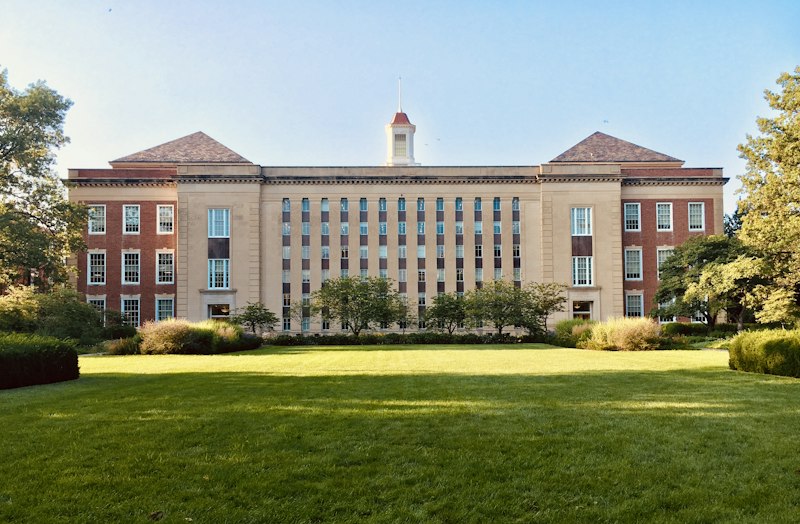


Vibe: College town energy, student-oriented, constantly active
Best for: Students, young professionals, UW faculty/staff
Walkability: 96+ (Walker's Paradise)



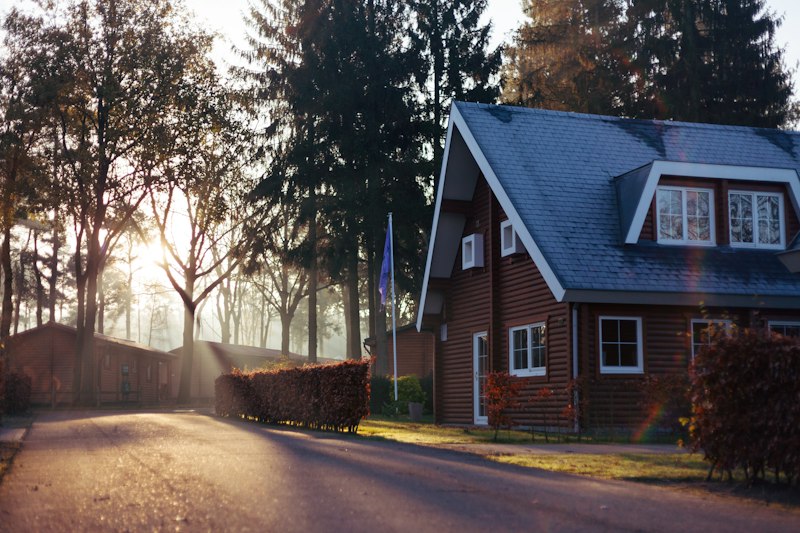
Vibe: Residential, family-oriented, quieter neighborhood feel
Best for: Families, professionals, grad students seeking calm
Walkability: 88-92 (Very Walkable)
Roosevelt typically runs 20-30% higher in housing costs
Both neighborhoods excel in transit connectivity — a key advantage of the Link corridor
Both neighborhoods offer nearly identical commute times due to Link Light Rail
What daily life looks like in each neighborhood
University Bookstore, study cafes, tutoring centers, academic resources
Budget eats, food trucks, Thai Town, late-night options, diverse cuisine
College bars, live music venues, game day atmosphere, student events
University Way shopping corridor, vintage stores, record shops, quirky retail
Ravenna Park trails, Cowen Park, close to Green Lake for recreation
Playgrounds, local schools, family restaurants, quiet residential streets
Neighborhood coffee shops, cozy bakeries, community gathering spots
Boutique shops, grocery stores, farmers market, neighborhood services
Let your lifestyle priorities guide your decision
Common questions about choosing between U District and Roosevelt
Yes, Roosevelt is generally more expensive than U District. Median rent in Roosevelt is approximately $2,400/month for a 1-bedroom versus $1,900 in U District. Roosevelt homes average $850K-$1.1M while U District apartments and condos range $500K-$750K. Roosevelt attracts more families seeking single-family homes, while U District is dominated by student-oriented apartments and rentals.
U District is far better for students. It's directly adjacent to UW campus with walking access to classes, libraries, and student activities. The neighborhood offers abundant affordable housing, student-oriented dining, coffee shops, bookstores, and a vibrant college-town atmosphere. Roosevelt is quieter and more residential, better suited for graduate students, faculty, or young professionals who prefer a calmer environment while still being near campus via light rail.
Yes, both neighborhoods have excellent Link Light Rail access. U District has the University of Washington Station (opened 2016) and U District Station (opened 2021). Roosevelt has Roosevelt Station (opened 2021). All three stations provide fast connections to downtown Seattle (15-20 minutes), Capitol Hill, SeaTac Airport, and beyond. This makes both neighborhoods ideal for car-free living.
Yes, Roosevelt is significantly quieter than U District. Roosevelt is primarily single-family homes with tree-lined streets, local cafes, and family-oriented amenities. U District is a bustling college neighborhood with student foot traffic, nightlife, game day crowds, frequent events, and urban energy. If you want peace and residential charm, choose Roosevelt. If you want vibrancy and college-town energy, choose U District.
Roosevelt is better for families. It offers single-family homes with yards, excellent access to Ravenna Park and Green Lake, quieter streets, local elementary schools, and a strong sense of residential community. U District is louder, more transient, and dominated by student housing with limited single-family home options. Families who value proximity to UW (faculty, staff) often prefer Roosevelt for its family-friendly environment while maintaining easy campus access.
Both neighborhoods have excellent transit scores. U District scores 96-99 (Walker's Paradise) with multiple bus lines, two light rail stations, and direct UW campus access. Roosevelt scores 88-92 (Very Walkable) with light rail, local bus service, and proximity to commercial corridors. Both are ideal for car-free living, though U District has slightly denser transit coverage due to its role as a major UW hub.
Whether you're a student heading to U District or a family settling in Roosevelt, Next Phase Moving makes your transition seamless. Local expertise, careful handling, competitive rates.
Trusted by students, families, and professionals across Seattle